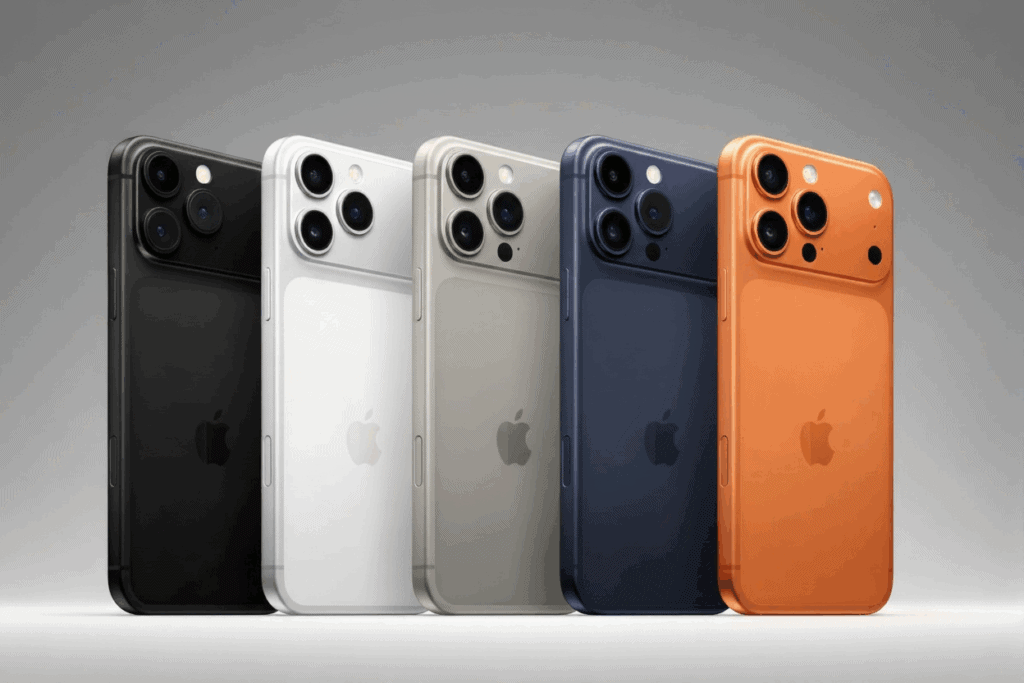

The iPhone 17 is the biggest leap for Apple’s standard model in years. It finally brings a 120Hz ProMotion display and Always-On to the base iPhone, adds a brighter 3,000-nit screen, upgrades both rear cameras to 48MP, and improves battery life and charging speeds—while keeping the starting price aggressive and doubling base storage to 256GB. After collating insights from professional reviews, benchmarks, and user reports, this review focuses on what matters in daily use and whether you should upgrade.
📑 Table of Contents
Display: ProMotion Finally Goes Mainstream
The 6.3-inch Super Retina XDR OLED supports adaptive 1–120Hz, so scrolling, animations, and gameplay look fluid while the phone conserves power for static content (and enables an Always-On mode). Visibility outdoors is excellent thanks to a peak 3,000-nit brightness and improved anti-reflective Ceramic Shield 2. If you’re coming from a 60Hz iPhone, ProMotion alone changes how the phone feels—every swipe looks and feels faster.
Performance & Thermals: A19 Efficiency Wins
The A19 brings notable CPU and GPU gains over A18, along with stronger on-device AI acceleration. The important part is efficiency: sustained performance is steadier, and the chassis runs cooler during long camera or gaming sessions, even without the Pro models’ vapor chamber. Everyday use—launching apps, switching cameras, rendering short clips—feels instant, and heavy games hold high frame rates more consistently than last year’s base model.
Cameras: Dual 48MP Sensors Pay Off
Apple’s main camera retains its natural color and wide dynamic range, but the big story is the 48MP ultrawide—finally bringing detail and lower noise to landscapes, interiors, and night city shots. Night mode is more confident and often chooses longer exposures for cleaner results. Selfies also improve thanks to a higher-resolution front camera with better stabilization and 4K Dolby Vision support.
Limitations remain: no optical telephoto on the base model, and indoor noise can appear in tricky lighting. For most people, though, this is Apple’s most reliable point-and-shoot experience at the $799 tier.
Video: Still the Phone to Beat
4K Dolby Vision at up to 60fps remains class-leading for color, focus, and stabilization. Action mode steadies handheld footage; Cinematic mode adds smooth focus pulls. Dual Capture—recording from front and rear at once—makes the iPhone 17 a vlogger favorite. If video is your priority, the base model already delivers best-in-class results; the Pro line adds more formats and a telephoto lens for specialized work.
Battery Life & Charging: Real-World Gains
Stacked-cell tech boosts capacity and longevity. In mixed use with ProMotion enabled, the iPhone 17 comfortably lasts a full day and often into the next morning. Wired charging rises to up to 40W with a compatible adapter (about 50% in ~20 minutes), while MagSafe and Qi2.2 wireless speeds are faster and more stable than before, with stronger magnets and quicker handshake.
iOS 26 & Apple Intelligence: New Look, Mixed Takeaways
iOS 26’s “Liquid Glass” aesthetic modernizes the UI and expands lock-screen and widget customization. Some users prefer the toned-down “Tinted” accessibility option added in 26.1 for readability. Apple Intelligence (on-device AI) provides handy writing tools, summaries, and image fun via Playground, and Siri gets more context—yet power users still find Google’s and Samsung’s AI features broader today. Expect steady improvements over the next releases.
Connectivity & Known Issues
The N1 wireless chip adds Wi-Fi 7, Bluetooth 6, and Thread; cellular uses Qualcomm’s Snapdragon X80 modem. A subset of early users reported intermittent connectivity drops and wake-from-sleep hiccups; software updates have mitigated issues for many, but you should still check carrier-specific feedback in your region. As always, keep iOS current.
Design & Durability
The frame remains aluminum with balanced ergonomics and IP68 resistance. Ceramic Shield 2 improves scratch resistance, though protection habits still matter—use a case if you’re clumsy. The screen grows to 6.3 inches via slimmer bezels without feeling oversized in the hand.
iPhone 17 vs 17 Pro vs 17 Pro Max — Key Specs at a Glance
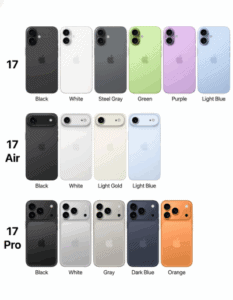
| Feature | iPhone 17 | iPhone 17 Pro | iPhone 17 Pro Max |
|---|---|---|---|
| Display | 6.3″ LTPO OLED, 1–120Hz | 6.3″ LTPO OLED, 1–120Hz | 6.9″ LTPO OLED, 1–120Hz |
| Chip | A19 | A19 Pro + vapor chamber | A19 Pro + vapor chamber |
| Rear Cameras | 48MP main + 48MP ultrawide | 48MP main + ultrawide + 8× tele | 48MP main + ultrawide + 8× tele |
| Video | 4K60 Dolby Vision, Dual Capture | ProRes/Log profiles | + ProRes/Log profiles |
| Battery & Charging | 5,000 mAh equiv; up to 40W wired; faster MagSafe/Qi2.2 | Similar, better sustained perf | Bigger cell; best endurance |
| Storage | 256/512GB | 256GB–2TB (USB 3) | 256GB–2TB (USB 3) |
| Who It’s For | Most users, best value | Creators, mobile gamers | Power users who want the lot |
Pros & Cons
What We Like
- 120Hz ProMotion + Always-On on the base iPhone
- Excellent day-long battery with much faster charging
- Dual 48MP cameras deliver cleaner ultrawide and stronger night shots
- Class-leading 4K video quality and stabilization
- A19 performance and thermals feel effortless
- 256GB base storage at the same US MSRP
Where It Falls Short
- No optical telephoto on the base iPhone 17
- Apple’s Intelligence features are useful but still limited vs rivals
- Some users reported early connectivity quirks; watch for updates
Should You Upgrade?
- From iPhone 15 or older: Easy, yes. ProMotion, battery/charging gains, and camera upgrades are transformative.
- From iPhone 16: Worth it if you value 120Hz and longer stamina; otherwise, you can wait a cycle.
- Choosing Pro: Go Pro for optical zoom, Pro video formats, vapor-chamber sustained performance, and more RAM/storage.
Still deciding? Read our iPhone 17 vs 17 Pro comparison and our best phones under $900.
Sources & Further Reading
- Apple — iPhone 17 overview
- GSMArena — iPhone 17 specs
- CNET — iPhone 17 Review
- Tom’s Guide — iPhone coverage & battery tests
Note: This review aggregates insights from multiple professional reviews, benchmarks, and user reports. Software updates may change performance or features over time.