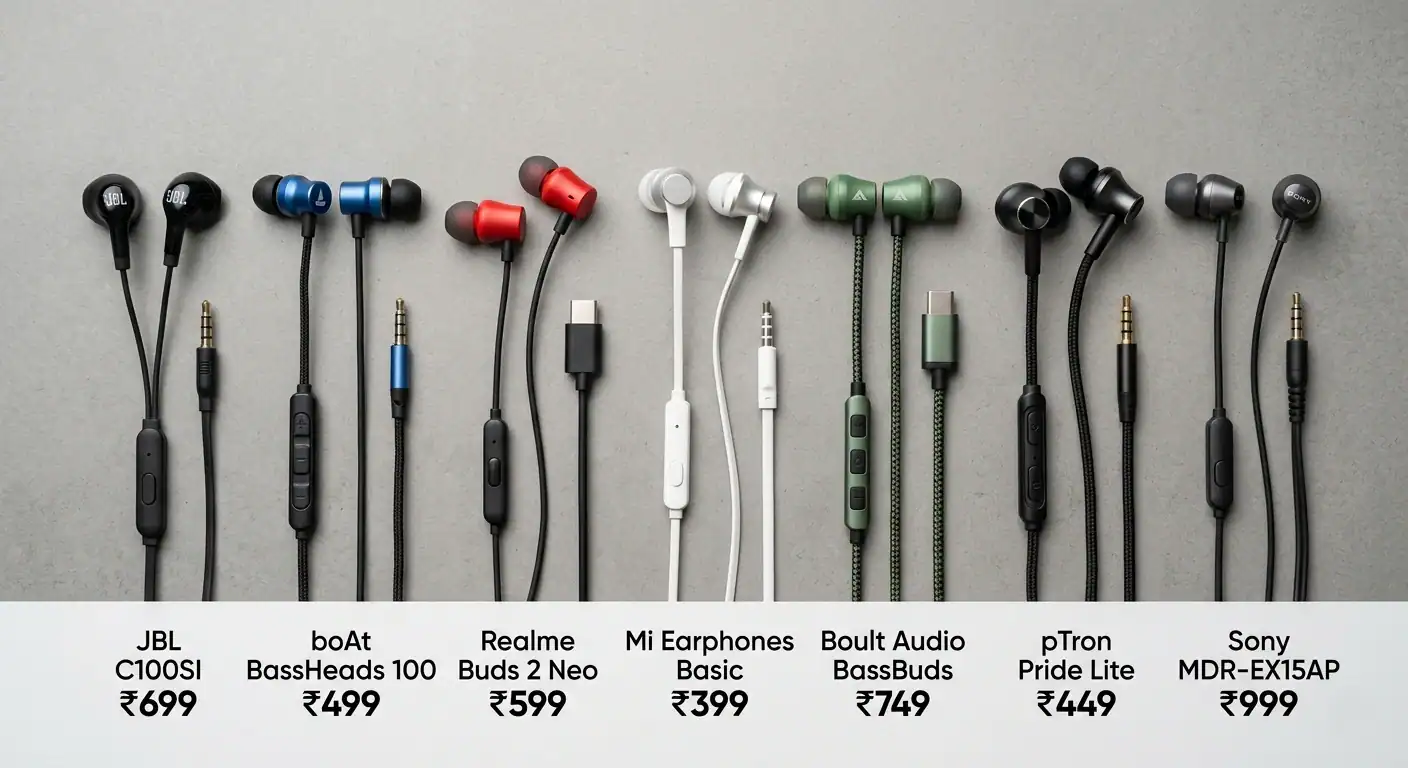
Wired Earbuds 2025: Complete Guide, Pros, Cons & Buying Tips

Wired Earbuds 2025: How They Work, Who They Are For, And What To Buy
Updated: December 2025
Wired earbuds 2025 explainer: how they work, key specs, pros and cons, setup, care, and fixes in one guide.
Wired earbuds are in-ear earphones that connect to your phone, laptop, tablet, or console using a cable instead of Bluetooth.
Even in 2025, they are still popular because they give reliable sound, zero wireless lag and work without charging.
which makes them ideal for gaming, long classes, and budget audio.
This guide is written from testing and comparing many wired earbuds, plus studying measurements and advice from trusted audio reviewers and hearing health sources.
If you already know you want product recommendations, you can jump straight to our
best wired earbuds roundup or our
best wired earbuds with mic guide.
If you want to understand the tech and specs first, read on.
Quick answer: wired earbuds make the most sense if you want simple plug-and-play audio with no charging,
near-zero latency for gaming and calls, and better sound per dollar than most cheap wireless buds.
They are less ideal if you hate cables or rely heavily on active noise cancelling and multipoint Bluetooth.
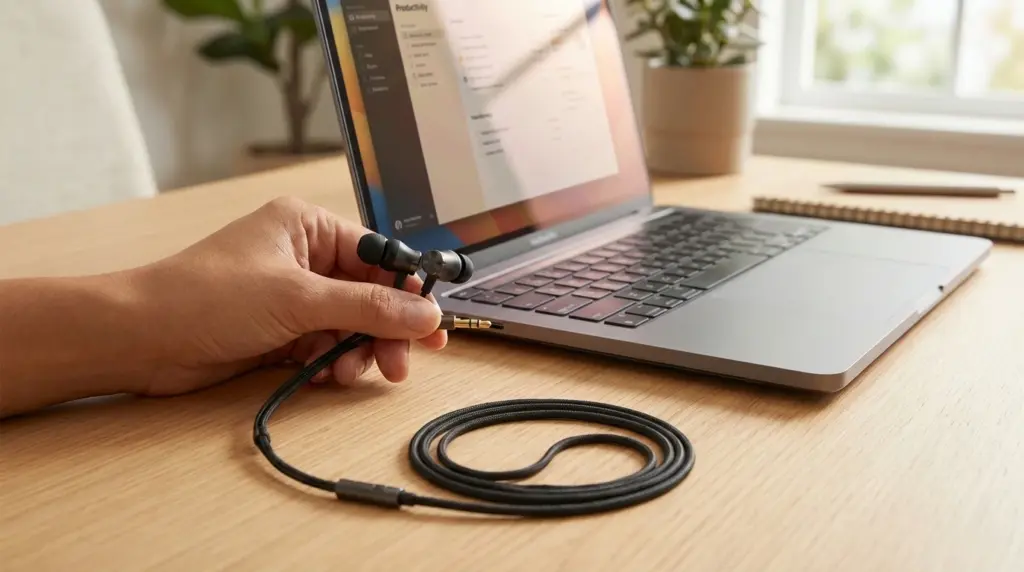
Quick Take: Are Wired Earbuds Still Worth It In 2025?
For many people in 2025, wired earbuds are still the most practical choice, especially if you care more about reliability than fancy features.
Wireless has improved a lot, but there are still trade offs that cabled models avoid.
When wired earbuds are better than wireless:
- Zero or near zero audio delay, which is great for gaming, music practice and video editing.
- No need to charge them, so they work for long classes, long shifts and travel days.
- Often better sound quality at the same price compared with very cheap Bluetooth earbuds.
- Simple plug and play with older phones, laptops, controllers and audio gear.
Downsides you should know:
- Cables can tangle, snag and wear out if you are not careful.
- Movement is limited by cable length, which is less ideal for workouts.
- Some newer phones have no headphone jack, so you need USB C wired earbuds or a dongle.
- There is usually no active noise cancelling and no find my device support.
In short, wired earbuds are worth it in 2025 if you want simple, low lag audio and do not mind a cable.
If you mainly want comfort at the gym and features like ANC and multipoint, wireless might still be a better fit.
What Exactly Are Wired Earbuds And How They Work
In this guide, wired earbuds means small in ear earphones with a cable that carries audio from your device to tiny speakers in each earpiece.
You might also hear people call them wired earphones or in ear monitors.
Inside each bud is a driver, usually a small dynamic speaker around 6 to 10 millimeters wide.
The driver moves air to create sound when it receives an electrical signal from your phone or other device.
A cable with thin copper wires carries that signal from the plug to each ear.
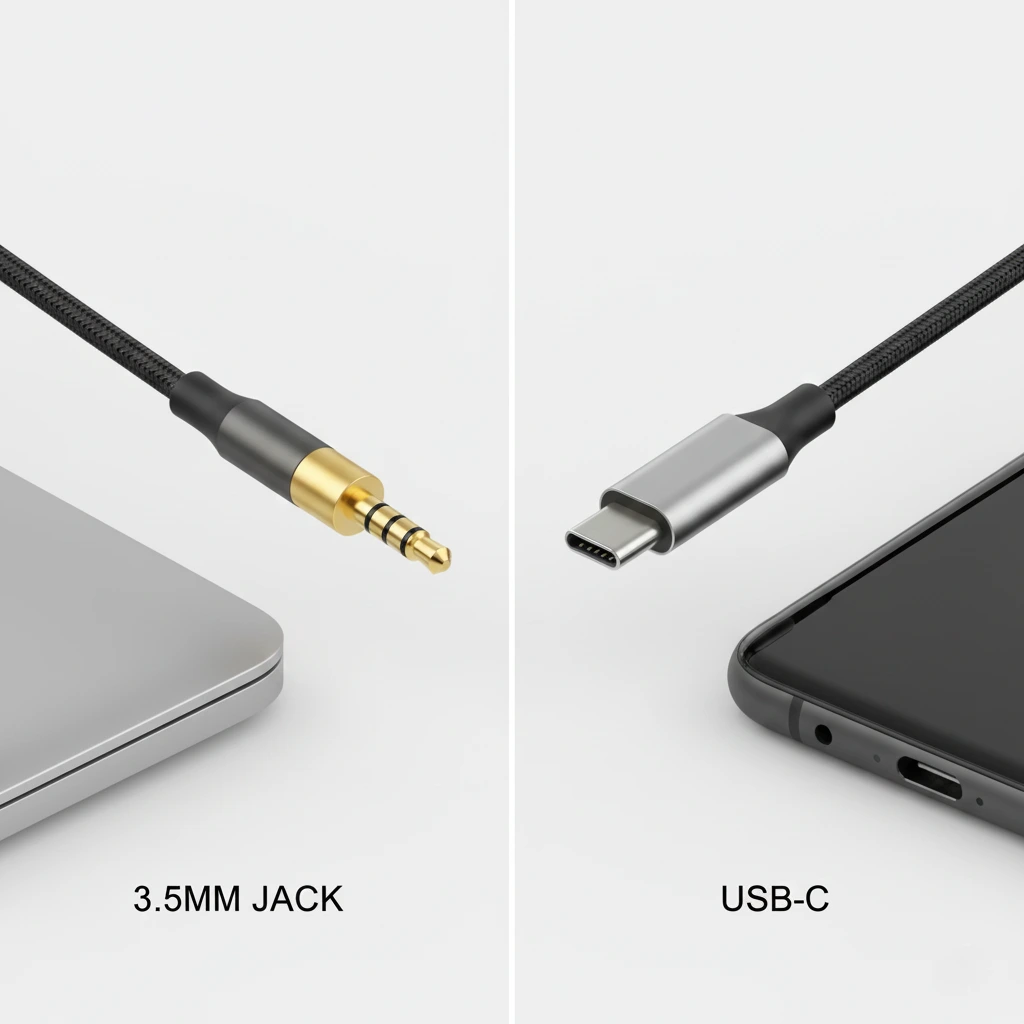
Most 3.5 mm wired earbuds use a TRRS plug with four contact points: left audio, right audio, ground and microphone.
USB C wired earbuds contain a small digital to analog converter in the cable, so they can work with phones and laptops that only have a USB C port.
Some older iPhones use Lightning wired earbuds, which pack similar digital hardware into the cable.
The basic path is simple: device or external DAC sends audio signal, cable carries it, drivers turn it into sound at your ears.
This simple chain is why these earphones have low latency and do not need batteries.
Wired Earbuds vs Wireless Earbuds: Pros And Cons
Advantages of wired earbuds
- No charging needed: just plug them in and they work, even after months in a drawer.
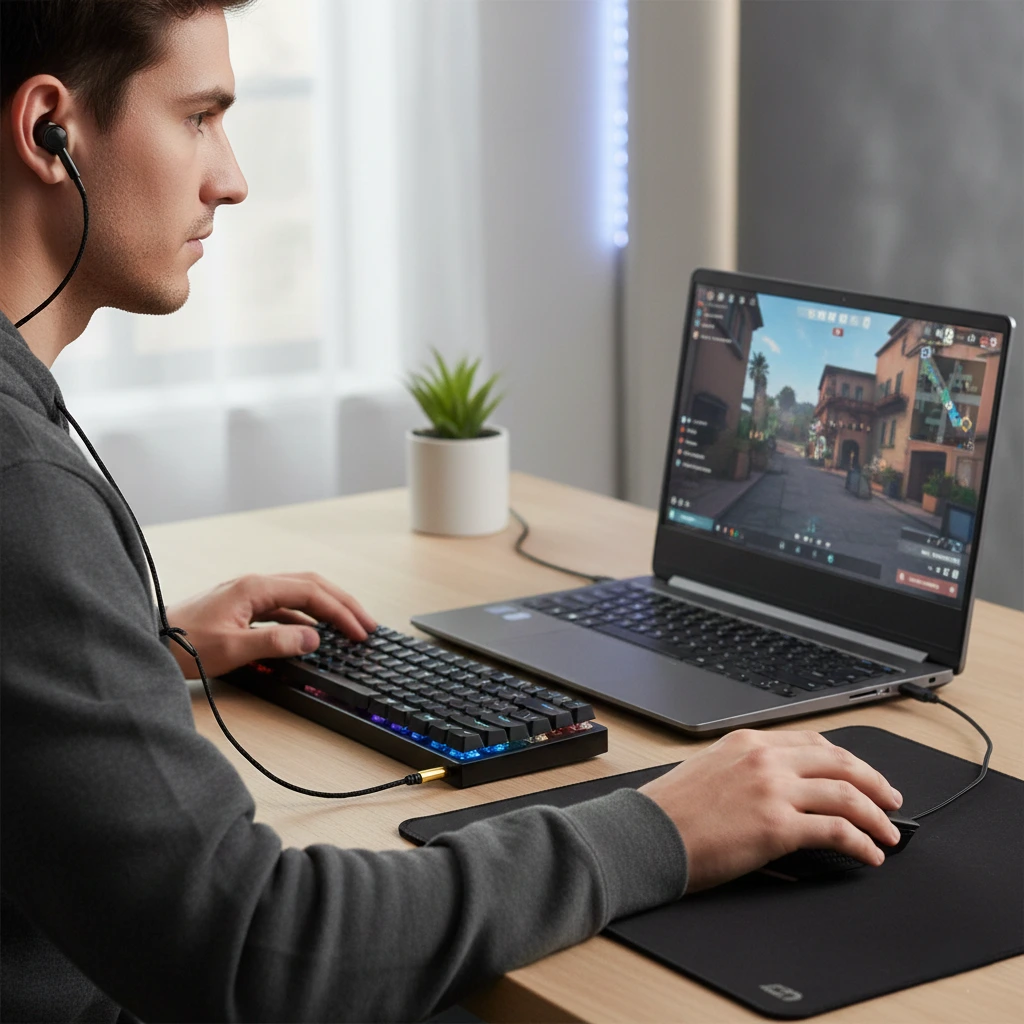
- Very low latency: ideal wired earbuds for gaming keep gunshots and footstep sounds in sync with the screen.
- Great value: in the same price band, many good wired earbuds sound clearer than cheap Bluetooth models.
- Simple pairing: no pairing at all, no connection time, no Bluetooth bugs.
- Long term durability: no internal batteries to age, so a good pair can last for years if you care for the cable.
If you mainly want to talk on Zoom or Teams, a model from our
best wired earbuds with mic guide
is often more reliable than cheap wireless buds for work calls.
Disadvantages of wired earbuds
- Cables can catch on handles, bags or gym equipment, and tangles are common.
- You are always connected to your device by a wire, which limits movement.
- Many modern phones removed the headphone jack, so you need USB C models or a dongle.
- Most models lack active noise cancelling, multipoint or app based features.
When wireless still wins
- For gym sessions and running, no cable feels more comfortable and safe.
- For long flights, ANC on some wireless headphones is hard to beat.
- For users who switch between phone, laptop and tablet all day, multipoint Bluetooth is convenient.
| Feature | Wired earbuds | Wireless earbuds |
|---|---|---|
| Latency | Very low, great for gaming and editing | Higher, can be noticeable in games |
| Battery | No battery needed | Needs regular charging |
| Sound per dollar | Often better at low and mid prices | Part of budget goes to wireless hardware |
| Noise cancelling | Passive isolation only | Some models add active noise cancelling |
| Comfort for sport | Cable can get in the way | True wireless feels more free |
| Setup | Plug and play, no pairing | Needs Bluetooth pairing and switching |
Types Of Wired Earbuds In 2025
Standard 3.5 mm wired earbuds
These are the classic earphones with a 3.5 mm plug. Almost every laptop, older phone, game controller and audio interface supports them.
Look for a four pole TRRS plug if you want a working mic for calls and chat.
USB C wired earbuds
Many newer Android phones and some tablets only have a USB C port, so USB C wired earbuds are a simple solution.
They include a small digital to analog converter in the cable, so they behave like a tiny external sound card.
They are perfect if you want the benefits of cabled audio on a modern phone without carrying a dongle.
Lightning wired earbuds
Lightning earphones are now a legacy option for older iPhones and some iPads.
They work in a similar way to USB C models, but only on Apple devices that still support the connector.
Open fit vs in ear monitors
Some wired earphones rest at the entrance of the ear, like classic EarPods. These feel light and open but let in more noise and leak sound.
In ear monitors use silicone or foam tips that seal the ear canal. They block more noise, give stronger bass, and are better for commuting,
studio work and wired earbuds for gaming when you want to hear details.
Key Specs To Check Before You Buy
Before you buy a new pair, it helps to know which numbers actually matter and which can be ignored.
Here are the main specs you will see on wired earbuds and what they mean in normal language.
Connector and device compatibility
- 3.5 mm TRRS: works with most laptops, controllers, older phones, and tablets.
- USB-C wired earbuds: best for modern Android phones and some recent laptops.
- Adapters: if your device only has USB-C or Lightning, you can also use an official dongle with good 3.5 mm wired earbuds.
Driver size and tuning
Most models use dynamic drivers between 6 and 10 millimeters.
A larger driver can move more air, but tuning matters more than raw size.
Look for reviews that talk about clear vocals and controlled bass instead of only reading spec sheets.
Impedance and sensitivity
For phones and laptops, low impedance (up to about 32 ohms) and medium to high sensitivity is ideal.
This means the earbuds will get loud enough without needing an amplifier.
High impedance options are aimed at audio gear with stronger outputs.
Sound signature
- Neutral: balanced bass, mids, and treble, good for production and critical listening.
- Bass boosted: more thump for hip hop, EDM, and action movies.
- V-shaped: extra bass and treble with slightly recessed mids for energetic music.
Comfort, ear tips and cable
- Pick a model that includes multiple tip sizes so you can get a proper seal.
- Over ear cable routing helps reduce cable noise when walking.
- Braided or thicker cables with strain relief at the plug are less likely to break.
Microphone and inline controls
If you take a lot of calls, check that there is an inline mic and at least a single button for play, pause and answering calls.
Three button remotes add volume controls. Mic placement on the chest and a good seal are more important than marketing claims about noise reduction.
Brand support and warranty
Most brands offer at least one year of warranty on wired earphones.
Buy from official stores or trusted marketplaces to avoid fakes, and keep your invoice in case you need support.
How Much Should You Spend On Wired Earbuds?
You do not need to spend a fortune to get good wired earbuds, but very cheap models often cut corners on cable quality and comfort.
Here is a rough guide to price bands, with US dollars first and simple ranges for other regions.
| Price band | What you get | Who it suits |
|---|---|---|
| Under 25 dollars (about 2,000 rupees / 20 pounds) | Basic wired earphones with simple sound and light cables. | Kids, backups, rough use, leaving a spare pair in a bag or desk. |
| 25 to 80 dollars (about 2,000 to 7,000 rupees / 20 to 60 pounds) | Clearer sound, better comfort, stronger cables, more tip sizes, and sometimes better mics. | Most students, office workers, mobile gamers, and commuters. |
| 80 to 200 dollars and up | Higher-end in-ear monitors with detailed sound and often removable cables. | Audiophiles, musicians, serious home listeners, and stage performers. |
If you want specific product names in each band, our
best wired earbuds roundup
breaks down tested options with pros and cons in each budget.
Wired Earbuds For Different Use Cases
For online classes and work from home
For classes and remote work, you want clear voices, a reliable mic, and all-day comfort.
Look for wired earbuds with a mic and a lightweight cable that does not rub loudly on clothing.
An L-shaped plug is useful if your laptop or phone port is at the bottom edge.
If calls and meetings are your main use, our
best wired earbuds with mic guide
focuses on models that perform well on Zoom, Teams, and Google Meet.
For commuting and travel
On buses and trains, sealed in ear designs with a slightly warm sound will block more noise and make podcasts and music easier to hear at safe volumes.
A compact carry case and strong cable strain relief are very important for travel.
Wired earbuds for gaming and low latency
Many gamers still prefer cabled earphones because they avoid the delay that some Bluetooth models add.
For shooters and competitive titles, you want clear mids so footsteps and reload sounds stand out.
A stable 3.5 mm plug into the controller or PC also reduces connection issues.
If you decide you want a larger soundstage and more comfort for long sessions, our
wired headphones 2025 guide
covers full size options that pair well with consoles and desktop setups.
For music production and practice
For recording, mixing or instrument practice, neutral or slightly warm IEMs with good isolation help you hear details without turning the volume too high.
A detachable cable is a plus because it means you can replace only the wire if it fails.
For kids and teens
For younger listeners, durability and safe volume are more important than perfect sound.
Choose a cheaper pair with a strong cable and consider using a volume limiter app or device so they do not listen too loudly for long periods.
How To Set Up Wired Earbuds On Phone, Laptop And Consoles
Android phones and iPhones
- If your phone has a headphone jack, plug in and select the correct output if prompted.
- If there is no jack, use USB-C wired earbuds or an official dongle with 3.5 mm earphones.
- Check volume limit and balance in accessibility or sound settings.
- Adjust any system EQ to taste, keeping boosts modest to avoid distortion.
Windows laptops and PCs
- Plug into the 3.5 mm combo jack if present. If your machine has separate mic and headphone jacks, use a TRRS to dual 3.5 mm splitter.
- Right click the sound icon, open sound settings and choose your earbuds as both output and input (if they include a mic).
- Test with a short video or call before important meetings.
MacBooks and iPads
- Use the built in 3.5 mm jack on models that have one or USB C earbuds on newer devices.
- Open sound settings and confirm that the chosen device is selected as output and input.
Consoles: PS5, Xbox and Nintendo Switch
- Plug the 3.5 mm connector into the controller or Switch headphone jack.
- On PS5 and Xbox, open audio settings to mix game and chat volume to your taste.
- For group chat, do a quick mic check before ranked matches to avoid problems mid game.
Care, Cleaning And Storage
A little care goes a long way in keeping your wired earphones working well and sounding good for years.
Most failures are caused by cable stress, moisture or dirt in the ear tips.
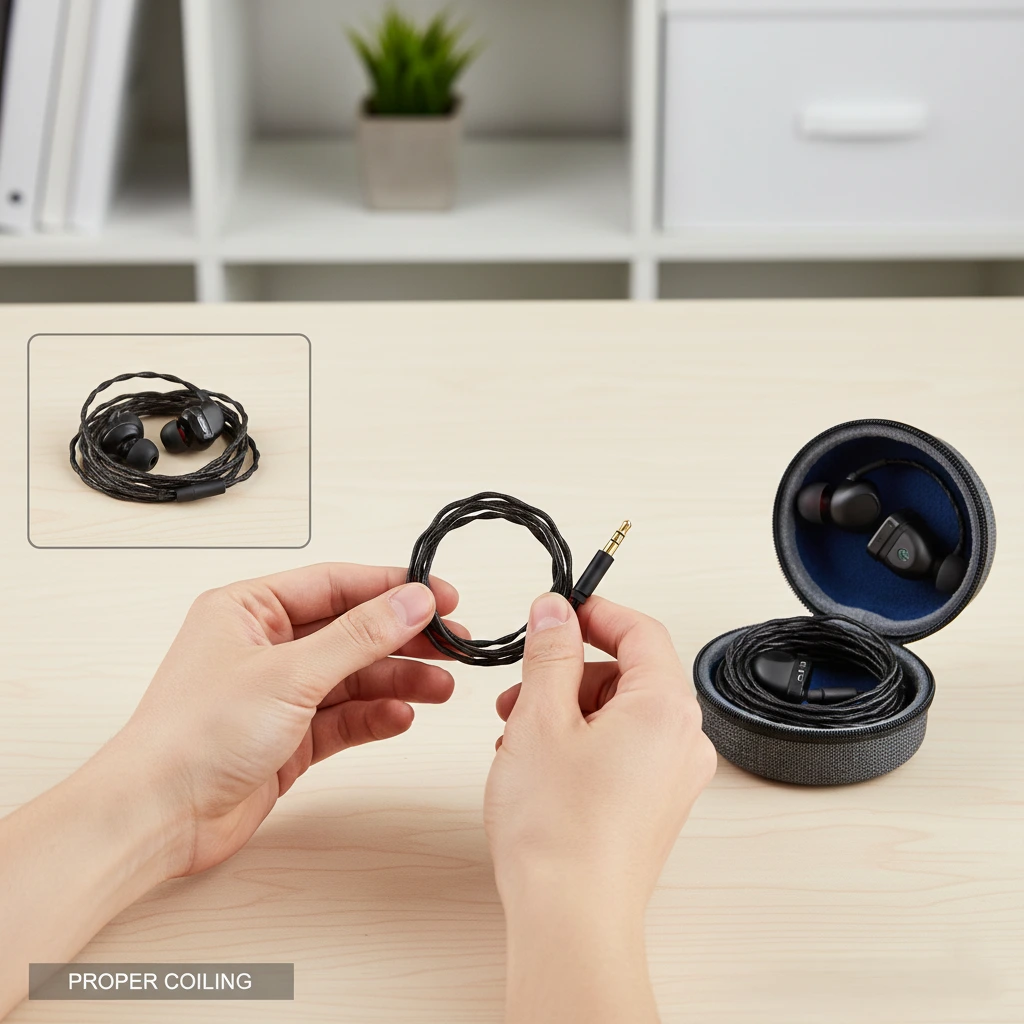
- Coil the cable loosely in a circle rather than wrapping it tightly around your phone.
- Use the included pouch or a small case so keys and coins do not crush the plug.
- Do not yank the cable to unplug them. Always pull from the plug itself.
- Keep them away from water and sweat when not rated for moisture resistance.
Clean silicone tips about once a week. Remove them from the nozzle, wash with mild soapy water, rinse and dry fully before you reattach them.
Use a soft brush or a dry cloth to gently remove earwax or dust from the metal mesh so it does not block the sound.
For safe listening levels over long sessions, you can check simple guidance from the
World Health Organization on safe listening.
Keeping volume moderate and taking breaks protects your hearing, no matter how good your audio gear is.
Common Problems With Wired Earbuds And Quick Fixes
- No sound in one ear: push the plug in firmly, test on another device, then check balance settings. If only one side fails across devices, the cable or driver may be damaged.
- Rustling or cable noise: route the cable over your ear or use a shirt clip so it does not rub on clothing.
- Static or hum on laptops: try another USB port, avoid charging from the same outlet while listening, or use a small USB DAC to reduce interference.
- Mic not working on PC: check if your port expects separate mic and headphone plugs and use the correct splitter. Confirm that the correct input device is selected in sound settings.
- Loose plug connection: inspect the jack for lint and gently clean it; packed dust can stop the plug from seating fully.
Wired Earbuds vs Wired Headphones: Which Should You Buy?
Both wired earbuds and full-size wired headphones have a place in 2025.
Earbuds are compact, light and great for commuting, travel and use with phones or handheld consoles.
Full size headphones offer a bigger soundstage, softer padding around the ears, and are often better for multi-hour sessions at home or in the studio.
If you want something you can put in a pocket, stick with in-ear options.
If you care more about comfort at a desk or console, our
wired headphones 2025 guide
walks through full-size models that pair well with PCs, consoles, and dedicated audio gear.
FAQ: Wired Earbuds In 2025
Are wired earbuds better than wireless?
Wired earbuds are better for low latency, simple setup, and worry-free long sessions because they do not need charging.
Wireless is better when you want full freedom of movement and features like ANC and multipoint.
Many people keep one of each and use them for different situations.
Do wired earbuds sound better than cheap Bluetooth earbuds?
In the same low price band, good wired earbuds often sound clearer and cleaner than very cheap Bluetooth models because more of the budget goes into drivers and tuning instead of batteries and wireless chips.
At higher prices, there are excellent options on both sides.
What if my phone does not have a headphone jack?
You can use USB-C wired earbuds that plug directly into modern Android phones, or use an official USB-C or Lightning to 3.5 mm dongle plus your favorite 3.5 mm model.
Avoid very cheap third-party dongles as they can add noise or fail quickly.
Can wired earbuds have noise cancelling?
A few wired earphones include active noise-cancelling modules, but most rely on passive isolation from the ear tips.
A good seal from silicone or foam tips blocks a lot of outside noise even without electronics, which is usually enough for commuting and office use.
Can I use wired earbuds on PS5, Xbox, and Nintendo Switch?
Yes. Most modern controllers and the Switch handheld include a 3.5 mm jack.
Plug in and set your chat and game audio levels in the console settings.
For long sessions, you may still prefer larger wired headphones, but in-ear options work fine.
Are wired earbuds safer for health than wireless?
From a hearing point of view, the main risk is volume and time, not whether the sound is wired or wireless.
Keeping volume moderate and taking breaks matters more.
If you are worried about radio signals, using cabled earphones reduces direct Bluetooth exposure at the ear, but safe listening levels are still the priority.
Are USB-C wired earbuds better than 3.5 mm models?
USB-C models are more convenient if your phone only has that port, and they include a tiny DAC in the cable.
3.5 mm wired earbuds are more universal and work with more devices if you have the right adapters.
Sound quality depends on the specific product, not just the connector.
How long should wired earbuds last?
With gentle use, good wired earphones can last several years.
Most failures come from pulling on the cable, bending the plug, or letting moisture and dirt build up.
Using a small case and handling the plug carefully will extend its life.
What is the difference between wired earbuds and in-ear monitors?
Many people use the terms loosely, but in ear monitors usually refer to more serious models aimed at musicians and audio fans, often with detachable cables and more neutral tuning.
Every day, wired earbuds are geared more toward casual music listening, calls, and general use.
Are wired earbuds making a comeback in 2025?
Interest in wired models has grown again because many users are tired of charging issues and latency problems with wireless.
Content creators, gamers, and students often rediscover how simple and reliable a wired pair can be, especially now that there are many USB-C and 3.5 mm options with modern styling.